Considering the OncoSeek® cancer test
In short
- Testing for cancer has both advantages and disadvantages.
- This information may help you decide whether you want to take the OncoSeek® test.
- This test estimates the probability that you may have cancer. It does not confirm whether you have cancer.
- If you get a positive result, additional tests may be needed to confirm it.
- Sometimes this test may indicate that you do not have cancer when cancer is actually present. This is called a - false negative. It can also indicate that you may have cancer when you do not. This is called a false positive.
- This test checks for multiple cancers using a single blood sample.
What is OncoSeek®?
OncoSeek® is a blood test for cancer detection. The test uses a small blood sample and provides a low-, medium-, or high-probability result for cancer.
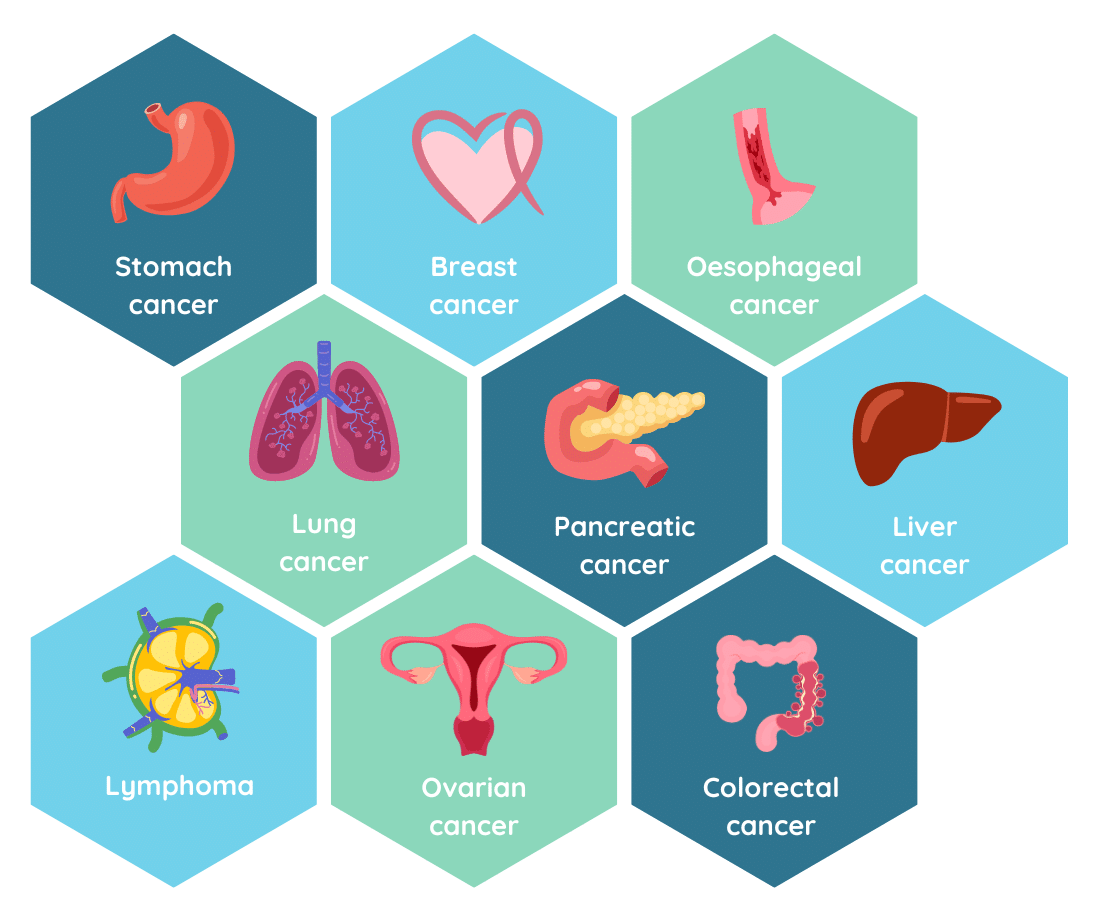
The cancers included are breast, colon, liver, lung, lymphoma, oesophageal, ovarian, pancreatic, and stomach cancers.
OncoSeek® is a multi-cancer detection test that can detect nine types of cancer.
Who should take this test?
OncoSeek® is intended for people with a higher risk of cancer. You may have a higher risk if:
Who should take this text?
- You are 50 years of age or older
- You have signs or symptoms that may indicate cancer
- You have family members who have had cancer
- You have certain genes associated with increased cancer risk
- You smoke, drink alcohol, or use other harmful substances
- You have been exposed to harmful chemicals or radiation
- You are overweight or obese
- You have chronic inflammation or infections
- You regularly consume foods associated with increased cancer risk
- You have hormonal disorders
- You have a weakened immune system
Who should NOT take this test?
This test should not be taken by:
- Pregnant people
- People who are 21 years of age or younger
- People currently receiving treatment for cancer
- People who are unable to undergo additional diagnostic testing after a positive OncoSeek® result
What are the advantages of taking the test?
- This test may help detect cancer earlier than without testing. Earlier detection may improve treatment options and outcomes.
- The test is simple and requires only a small blood sample. No scans or invasive procedures are needed for the test itself.
- It checks for nine types of cancer at the same time. You can use this test regularly to check for cancer.

What are the disadvantages of taking the test?
- OncoSeek® does not detect all cancers. Even if your result shows a low probability, cancer may still be present.
- If the OncoSeek® test shows a high probability of cancer, additional tests will be needed to confirm the result. These may include imaging or other diagnostic procedures. Follow-up testing may involve costs, time, and stress.
- If you receive a Medium Probability result, additional testing is not immediately required. However, the result may still cause concern or anxiety. You should repeat the test in 1 month and continue monitoring for symptoms.
- Sometimes the OncoSeek® test produces a false positive result. This means the test indicates that cancer may be present when it is not. This can lead to additional testing, stress, and costs.
- Sometimes the OncoSeek® test produces a false negative result. This means the test indicates a low probability of cancer when cancer is actually present. It is important to continue regular medical check-ups and discuss any symptoms with your doctor.

OncoSeek® test results
The results of this test are not enough to provide a final diagnosis. Your doctor will interpret the results together with your medical history and any symptoms you may have.
- A Low Probability result means no follow-up is needed at this time. Consider repeating the test next year.
- A Medium Probability resultmeans you should speak with a doctor and repeat the test in 1 month.
- A High Probability result means you should speak with a doctor and undergo additional diagnostic testing to evaluate for cancer.
How to decide whether to take the OncoSeek® test
This information is intended to help you understand what the test does, including the possible advantages and disadvantages of taking it.
If you are unsure whether this test is right for you, speak with your doctor. Questions you may want to ask include:
- What are my personal risk factors for cancer?
- What are the advantages and disadvantages of this test for me?
- What are the costs of the test and any follow-up testing?
- What happens if my result is Medium or High Probability?
- Is there anything else I should consider?
Additional information is available on our website.
Information for healthcare professionals is also available online >>
Download resources for patients
Please note that all other information on our website is for professional use for physicians, resellers and distributors only.